
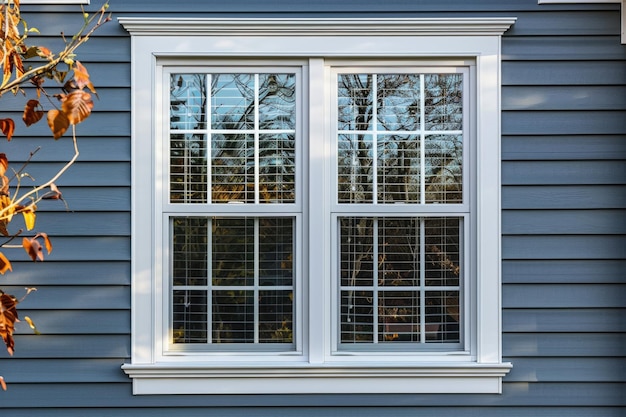
Quick Summary
Single hung windows offer simple operation through a movable lower sash, while double hung windows provide greater ventilation control through two movable sashes. Double hung designs can offer easier indoor cleaning, especially on upper floors, while single hung options generally have a lower initial cost. Energy performance depends more on the glass, frame, seals, ratings, and installation quality than the operating style. Your ideal choice should reflect your budget, room location, cleaning access, and everyday comfort preferences.
Windows shape how a room feels, functions, and responds to changing weather. Yet two traditional styles often create confusion during replacement or renovation planning. The debate around double hung windows vs single hung windows usually begins with appearance, although their real distinction lies in how each sash operates. That difference can affect airflow, cleaning access, and daily convenience throughout your home. Choosing wisely starts with understanding how these designs work in real living spaces.
Let’s take a closer look at what separates them and why the distinction deserves your attention.
What Are Single Hung Windows?
A familiar vertical window profile often hides a simple operating system. In a single hung design, the lower sash slides upward while the upper sash remains fixed inside the frame. This arrangement allows fresh air to enter through the bottom opening and keeps everyday operation straightforward. Fewer movable components can support easier upkeep and a more accessible initial price. The style works well in bedrooms, living areas, and ground floor spaces where exterior cleaning access is practical. Its clean proportions also suit traditional, transitional, and contemporary homes without drawing attention away from the surrounding architecture or your interior design choices.
What Are Double Hung Windows?
Greater operating flexibility defines this traditional window style. In a double hung design, both the upper and lower sashes move independently within the frame. You can raise the bottom sash, lower the top sash, or open both at once to adjust airflow. Several modern models also allow each sash to tilt inward, giving you easier access to exterior glass from inside the room. When closed, the window keeps the same balanced vertical appearance seen in single hung units. This combination of classic proportions and practical movement makes the style especially useful on upper floors and in frequently occupied rooms throughout the home without sacrificing visual symmetry or familiar curb appeal.
Single Hung vs. Double Hung Windows: Key Differences
At first glance, these two window styles can look almost identical. Their main distinction appears in the way the sashes move and how that movement affects daily use. Single hung windows open from the bottom, while double hung windows can open from either the top or bottom. That difference shapes ventilation options, cleaning access, maintenance needs, and purchase price. Models with one movable sash usually involve fewer operating parts, while two movable sashes provide greater flexibility. Appearance alone rarely settles the choice, so the better option depends on how you plan to open, clean, and maintain each window through years of household use and care.
Which Window Provides Better Ventilation?
Airflow needs can vary from one room to another. With a double hung window, opening both sashes can let cooler air enter below while warmer air leaves through the top. This pattern can support steadier circulation during mild weather and gives you more control over indoor comfort. A single hung window still provides useful ventilation through its lower opening, which may suit bedrooms, offices, and quieter spaces. Window placement, room size, outdoor conditions, and interior layout all influence actual performance. The stronger choice is the one that matches how often you ventilate the space and how much control you prefer through changing seasons and weather.
Which Style Is Easier to Clean and Maintain?
Cleaning access often becomes a deciding factor, especially on upper floors. Many double hung models allow both sashes to tilt inward, which brings exterior glass surfaces within reach from inside the room. A single hung window may offer a tilting lower sash, while the fixed upper section can still require outdoor access. Features differ across products, so each model should be reviewed carefully before selection. Fewer movable parts can make single hung windows simpler to maintain, although both styles need clean tracks, sound locks, intact weatherstripping, and professional attention when glass or hardware becomes damaged through years of household use.
Cost and Energy Efficiency Considerations
Budget and performance should be considered together rather than viewed as separate issues. Single hung windows usually carry a lower initial price since their operating system uses fewer movable parts. Double hung models often cost more, though the added expense can provide easier cleaning and broader ventilation control. Final pricing also reflects frame material, glass type, size, finish, hardware, and installation conditions. Energy performance depends heavily on insulated glass, tight seals, quality weatherstripping, secure locks, and accurate installation. Product ratings provide the clearest basis for comparing efficiency between options. A well constructed unit in either style can support indoor comfort when every component fits properly and remains in good condition.
How to Choose the Right Window for Your Home
Your decision should reflect the room, floor level, and how you use the window. A single hung model can suit ground floor areas, cost conscious projects, and spaces where simple ventilation is enough. A double hung model may serve upper stories, frequently used rooms, and locations where indoor cleaning access is highly practical. Consider how often you open the window and whether exterior access is convenient. Review the frame, insulated glass options, energy ratings, locks, and architectural proportions. A professional assessment can also clarify whether the entire window needs replacement or only the glass. When the frame remains sound, cracked or fogged glass may be replaced without changing the window style. The best choice balances comfort, appearance, upkeep, and long term value for your home.
Find the Right Window Solution for Your Home
Choosing between single hung and double hung windows comes down to how you value airflow, cleaning access, operating simplicity, and project cost. Both styles can provide lasting comfort and a polished appearance when the glass, frame, seals, and hardware are in sound condition. A careful evaluation of your space will help you select a window that suits daily use and supports long term performance.
At Atlantic Custom Glass, we provide professional residential glass replacement for cracked, damaged, or fogged windows throughout Wilmington and nearby areas. Our team can assess the glass and frame to determine whether targeted replacement is appropriate. We also install custom mirrors, frameless shower glass, glass tabletops, storefront systems, and other residential or commercial glass solutions. Every project receives precise workmanship and close attention to detail.
Contact us today to request a free quote and discuss the right glass solution for your property with our trusted and experienced local Wilmington glass professionals.
FAQs
What is the main difference between single hung and double hung windows?
Single hung windows have a fixed upper sash and a lower sash that moves vertically. Double hung windows allow both the upper and lower sashes to move. This added movement gives you more ventilation options and often makes exterior glass easier to clean safely from inside the home, especially on upper floors.
Are single hung windows more affordable than double hung windows?
Single hung windows usually cost less due to their simpler operating system and fewer movable components. Double hung windows often carry a higher upfront price for added airflow control and cleaning access. Final pricing also depends on frame material, glass type, window size, hardware, finish, and professional installation conditions at your property.
Are double hung windows more energy efficient?
Neither style is automatically more energy efficient. Insulated glass, weatherstripping, frame construction, locks, product ratings, and professional installation have a greater influence on performance. A well built single hung or double hung window can support indoor comfort when its seals, glass, frame, and operating components remain in consistently good condition.