
Quick Summary
Fixed units deliver steady daylight with no moving parts, while ventilating models open to clear heat and humidity from kitchens and bathrooms. Tubular versions thread between rafters to reach closets and interior rooms, domed tops shed water on low-slope roofs, and pyramid and barrel vault forms cover entryways and long spans with architectural presence. Custom shapes match original openings on older homes where no stock unit fits. Roof pitch, room function, and the glazing package decide which style performs best in a coastal climate.
Rooms that sit under a roof rather than beside an exterior wall tend to feel darker than the rest of a house. Hallways, stairwells, bathrooms, and back bedrooms often rely on fixtures all day, even when the sun is high. Overhead glazing solves that problem by pulling light down from above, and the range of types of skylights available today goes well beyond a simple square cut into the ceiling. Shape, glazing, and operation all shift what a unit can do for a room. Which one suits your space best?
1. Fixed Skylights for Steady Natural Light
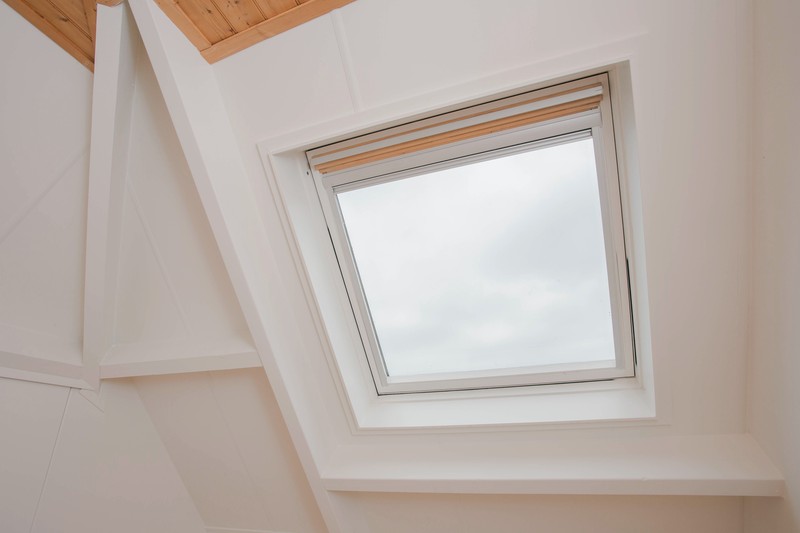
Sealed units that do not open make up the most common overhead installation in homes. Glass sits in a frame anchored directly to the roof deck, delivering daylight without any moving parts to maintain. Simplicity brings advantages, since fewer components mean fewer chances for leaks or mechanical failure over the years. Rooms that already have adequate airflow gain the most from this style, particularly living areas, hallways, and stairwells. Modern glazing packages include low-emissivity coatings and argon fill, which control heat gain during long Carolina summers. Daylighting through overhead glass can cut reliance on electric lighting through the middle of the day, a benefit you feel on every power bill.
2. Ventilating Skylights That Open for Fresh Air
Operable units hinge open at the top or side, letting warm air escape from the highest point in a room. Heat rises, so an opening in the ceiling clears humidity more efficiently than a wall window can. Bathrooms and kitchens see the strongest results, since steam and cooking odors move out quickly rather than settling into surfaces. Controls range from manual cranks on reachable units to motorized versions operated by remote or wall switch. Rain sensors close many models automatically at the first drop, a feature worth having in a climate with sudden afternoon storms. Flashing and seal quality carry extra weight here, given the moving joint exposed to weather.
3. Tubular Skylights for Small or Awkward Spaces
Narrow shafts lined with highly reflective material carry daylight from a small dome mounted on the roof down into rooms below. Diameters typically run between ten and twenty-two inches, which allows the tube to thread between rafters without structural changes. Closets, pantries, laundry rooms, and interior bathrooms benefit from this approach, as those spaces rarely have room for a full opening. Light arrives diffused and even, spreading across a ceiling much like a recessed fixture would. Installation disturbs far less of the roof and ceiling than a conventional unit, keeping the project contained. Homes with attic space above the target room make the best candidates for this design.
4. Domed Skylights Built to Shed Rain
Curved acrylic or polycarbonate tops rise above the roof plane, sending water and debris off the surface without pooling. Low-slope and flat roofs gain the most from this profile, since standing water is a constant concern on those structures. Impact resistance runs high, which suits properties exposed to falling branches or wind-driven debris along the coast. Single, double, and triple-wall versions offer different levels of insulation, and tinted options temper harsh midday glare. Curvature also spreads incoming light across a wider area than a flat pane of equal size. Acrylic can yellow over many years of ultraviolet exposure, so material grade deserves a close look during selection.
5. Pyramid Skylights for Architectural Interest
Four sloped glass panels meeting at a central peak create a shape that reads as a design feature rather than a utility. Entryways, foyers, and stairwell landings suit this form well, where height gives the structure room to make an impression. Multiple faces gather light from several directions at once, so a room stays bright across more hours of the day. Aluminum framing carries the panels, and finish colors can be selected to match trim or roofing. Scale varies, from modest units over a landing to large assemblies spanning an atrium. Framing and load calculations grow more involved with size, which puts this style in professional territory.
6. Barrel Vault Skylights over Wide Openings
Long spans that a single flat panel could never reach call for a half-cylinder of glazing running along a ridge. Galleries, wide hallways, sunrooms, and covered walkways take on a noticeably open quality under this profile. Curvature handles rainfall naturally, moving water toward the edges instead of letting it collect in the middle. Continuous light along the length of a space avoids the pooling and shadow patterns that separate units can produce. Custom fabrication is the standard here, with radius, length, and glazing selected around the opening being covered. Support structure requires careful engineering from the start, so early coordination with your builder keeps the project on schedule.
7. Custom-Shaped Skylights Made to Fit Your Roofline
Octagons, circles, triangles, and irregular forms come into play when a roofline or interior feature calls for something outside the catalog. Historic properties in Wilmington often need a replacement unit that matches an original opening no manufacturer still produces. Custom glass fabrication starts with field measurements, since existing framing rarely matches the dimensions shown on old drawings. Glazing choices remain open, so tempered, laminated, tinted, and insulated makeups can be specified for the finished piece. Lead times run longer than stock units, which is worth factoring into a renovation schedule. Precision in the template stage determines how well the finished unit seals against wind and weather.
Bringing Daylight into Your Home the Right Way
Overhead glazing changes how a room feels in a way few upgrades can match. Choosing well depends on roof pitch, room function, and the amount of light a space can comfortably handle through a Carolina summer. Getting those factors right at the planning stage saves real trouble later and delivers a result you enjoy every single morning.
Three decades of coastal work have taught the Atlantic Custom Glass team how overhead units behave in this climate, from flashing details to glazing that holds up under steady sun and salt air. We fabricate and install custom glass for skylight openings of any shape, and we handle replacement when an older unit fogs or leaks. Homeowners often pair that work with custom mirrors, which carry light deeper into rooms once the daylight is flowing.
Send us a note through our contact form with a photo of the room, or call the shop to talk through your options.
FAQs
A properly installed unit with correct flashing stays dry for decades. Leaks usually trace back to failed flashing, aging seals, or an installation that cut corners at the roof connection rather than the glass itself. Coastal weather puts extra stress on those joints, so professional installation and periodic inspection make the difference.
Tubular units suit tight spaces well. A narrow shaft threads between rafters and carries daylight from a roof dome into rooms with no exterior wall, which covers most interior bathrooms, closets, and pantries. Installation disturbs far less of the roof and ceiling than a conventional opening, and the light arrives soft and even.
Glazing choice controls most of that. Low-emissivity coatings, argon fill, and tinted or laminated makeups cut solar heat gain considerably, and north-facing placement reduces direct exposure. Shades and blinds handle the rest on the brightest afternoons. Specifying the right package for a southern climate keeps the light without the extra heat load.