

Quick Summary
A curtain wall system is an exterior glass system that attaches to a building’s frame without carrying the building’s main weight. It helps shape the appearance of a property while supporting natural light, weather control, and interior comfort. The right glass, framing, sealing, and installation details all affect long-term performance. Regular inspection and proper care can help the system stay clean, secure, and reliable over time.
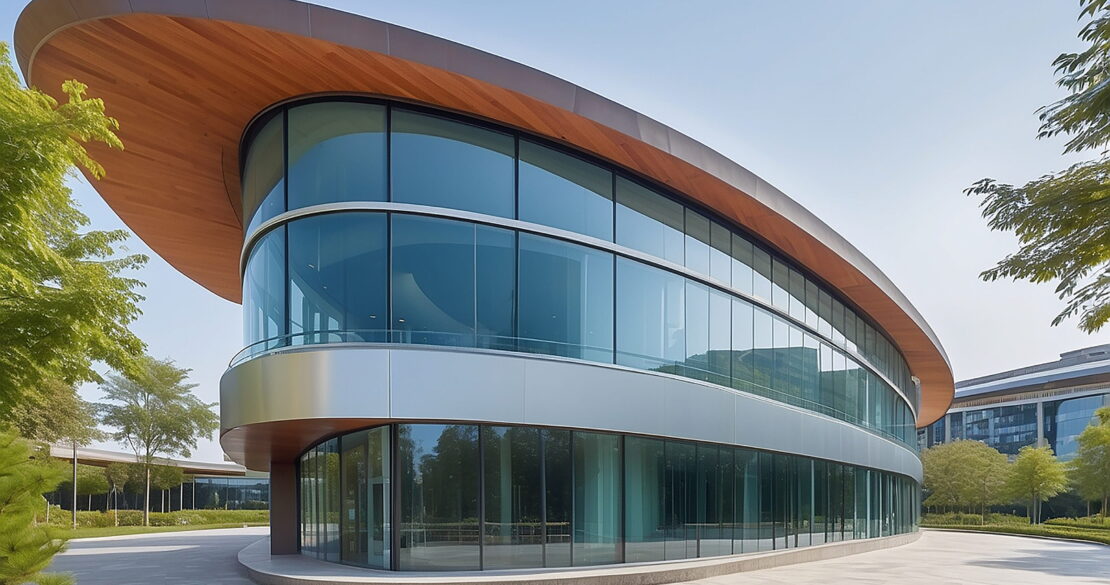
A glass curtain wall is a non-structural exterior system that hangs from a building’s frame instead of carrying the weight of the floors or roof. Think of it as a protective outer skin made with glass panels, framing, anchors, seals, and supporting hardware. It shapes the look of a building while helping manage light, weather exposure, and indoor comfort. You often see this system in offices, retail spaces, hotels, schools, and commercial buildings.
The word “curtain” can sound light, but the system still has a serious job. It must stand up to wind, rain, temperature changes, and building movement. It needs to look clean from the outside and feel comfortable from the inside. That balance is why planning, material selection, and skilled installation matter.
How the System Works
A curtain wall does not replace the main structure of the building. Instead, it attaches to the building frame through anchors and support points. The frame carries the weight of the glass and transfers outside forces back to the structure. This setup allows glass areas without asking the glass itself to hold up the building.
Most systems use aluminum framing because it is strong, lightweight, and flexible for different designs. The glass panels are fitted into the framing with gaskets, pressure plates, sealants, and other parts that help control air and water movement. Small gaps, weak seals, or poor alignment can lead to drafts, leaks, and repair needs.
Another important part is movement. Buildings shift slightly from wind, heat, settling, and normal use. Curtain wall systems are designed to handle that movement without cracking glass or breaking seals. That is why measurements, anchor placement, and installation sequence should be handled with care.
Common Types of Curtain Wall Systems
There are two common system styles: stick-built and unitized. A stick-built system is assembled piece by piece at the job site. Installers place the frame members first, then set the glass panels into the frame. This approach can work well for smaller projects, custom layouts, or buildings where adjustments are needed.
A unitized system is built in larger sections before it reaches the project site. These sections arrive with framing and glass already assembled, then crews attach them to the building. This method can speed up installation on larger commercial projects. It can also support consistent factory assembly, although planning and coordination need to be tight.
The right choice depends on the building size, design goals, schedule, access, and budget. Some projects need flexibility on site, while others benefit from preassembled sections. A glass professional can review the building conditions and match the system to the project.
Why Building Owners Choose Them
Curtain wall systems are popular because they create a clean, modern look. Large glass areas can make a building feel more open and inviting from the outside. Inside, natural light can improve the feel of lobbies, offices, showrooms, and shared spaces.
These systems also give designers more freedom than many traditional exterior options. They can be used across tall walls, entry areas, corners, and wide storefront-style elevations. With the right glass, they can help manage glare, heat gain, sound, and privacy.
Glass Options and Performance Factors
The glass you choose affects the way the entire system looks and performs. Clear glass gives a bright, open appearance, while tinted or reflective glass can reduce glare and add privacy. Laminated glass can add strength and sound control, which is useful near busy streets or active commercial areas.
Energy performance is another major factor. Large glass areas can bring in heat during warm months and lose heat during cooler months. Low-emissivity coatings, insulated glass units, and the right framing system can help manage indoor comfort. These choices also affect utility costs, occupant comfort, and the long-term value of the building.
Installation Details That Shape the Final Result
A curtain wall system depends on accurate measurements and clean installation. The frame must line up with the building structure, and each panel must sit correctly within the system. If the layout is off, even by a small amount, the finished wall can look uneven or cause problems later.
Sealants, gaskets, and drainage paths also need close attention. Water should move away from the building instead of getting trapped inside the system. A good installation allows the wall to handle rain, wind, and temperature changes while keeping the finished exterior neat and secure.
The project also needs coordination with other trades. Exterior walls connect to floors, ceilings, doors, storefront sections, and interior finishes. When those details are planned early, the work moves with fewer delays and fewer surprises.
Maintenance and Long-Term Care
Curtain wall systems do not need constant attention, but they should be checked on a regular schedule. Dirt, salt air, weather exposure, and daily building use can affect glass, frames, and seals over time. Simple inspections can catch small problems before they turn into larger repairs.
Common warning signs include water stains, fogging between panes, drafts, loose trim, cracked sealant, or glass that looks shifted in the frame. These issues should be reviewed by a glass professional. Fast attention can help protect the building’s interior and keep the exterior looking clean.
Cleaning also plays a role in system care. The right cleaning method protects glass coatings, metal finishes, and seal joints. Harsh tools or aggressive chemicals can damage surfaces, so property owners should use safe cleaning practices and schedule professional service when needed.
How We Help With Curtain Wall Projects
At Atlantic Custom Glass, INC, we work with commercial and residential glass projects throughout Wilmington and nearby areas. Our team brings more than 30 years of experience to glass installation, glass repair, storefronts, custom mirrors, frameless showers, tabletops, and curtain wall work. We focus on clean measurements, careful fitting, and results that match the building’s needs.
We help customers understand their options without making the process confusing. Our team can look at the project area, discuss the goal, and explain which glass and framing choices fit the space. From replacement glass to full exterior glass systems, we keep the work practical, clear, and detail-focused.
Plan Your Project With the Right Glass Team
A well-built glass curtain wall can change the look of a property while supporting comfort, natural light, and daily use. The best results come from the right design, the right materials, and skilled hands during installation. To start planning your project with a trusted local glass team, contact us today to request your free quote.
FAQs
A curtain wall system is a non-structural exterior wall made with glass, framing, anchors, and sealing components.
They are often used in offices, retail buildings, hotels, schools, and modern commercial properties.
Its lifespan depends on material quality, installation, weather exposure, and routine maintenance.